Shadow Boxing Rounds: Timing Your Own Fight at Home
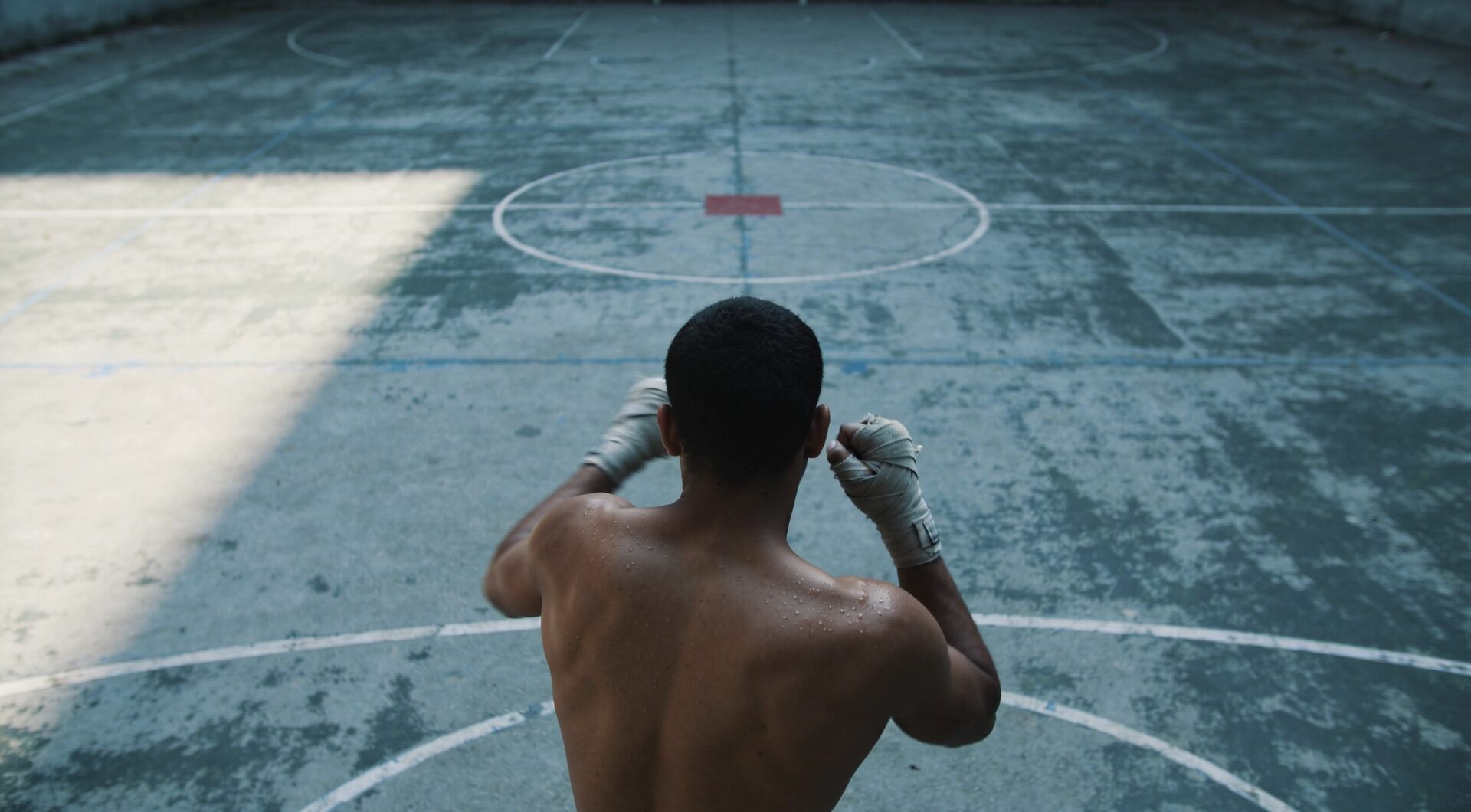
Ten seconds into your first shadow boxing round, the problem introduces itself: there is nothing to slow you down. A heavy bag catches each punch and hands some of the effort back. An opponent walking forward imposes a rhythm whether you like it or not. Air returns nothing. So the unwatched round becomes a twenty-second sprint followed by two and a half minutes of arms waving at no one, and the missing ingredient is a clock that holds the round’s shape while you supply its content.
What the empty air is for
Shadow boxing is fight rehearsal minus consequences. Everything that makes a boxer and needs no target lives here: the jab that finds range before anything else lands, the step that takes you off the center line, the slip, the return of your hands to where they started. A round spent only on footwork, no punches thrown at all, is a real round. So is one spent entirely on getting your right hand back to your chin.
It’s also why shadow work drifts without timing. A bag tells you a punch landed. Empty air tells you nothing, and when nothing external marks the difference between working and flailing, the only referee left is time — which is why gyms run shadow rounds to a bell rather than to mood. The structure is a boxing round’s structure, prepare, work, rest, repeat; the general machinery is the work/rest guide’s subject, and the boxing specifics of rounds, rests and warnings live in the round-work guide. This piece is about what happens inside the round when there’s nothing to hit.
Round lengths that transfer
Three minutes, with thirty seconds off, is the format that transfers best from the sport to your living room. Pro rounds run three minutes for men and two for women, with a full minute between them, and championship distance is twelve rounds — numbers built for people who train twice a day. Olympic-style bouts are three rounds. At home, four to six rounds of 3:00/0:30 lands you between twelve and eighteen minutes of actual work, and the case for the shorter rest is that a round against empty air costs less than a round against someone who hits back: you don’t need the full minute to survive it, and the short rest keeps the engine running between rounds.
Two honest variations. If three minutes eats your technique by the halfway mark, run two-minute rounds and keep them clean; four crisp short rounds beat two long ugly ones, and the length is a dial you’re allowed to turn. And if you want the rests to be a programming decision rather than a habit, round-rest schemes get the whole discussion.
Give every round a job
The timer will hold the lengths. What it can’t do is decide the content, and shadow rounds without assigned content collapse back into flailing. So each round gets one job before the bell:
- Round one, find the rhythm. Jab and move, at an effort you could hold for the whole session. Boring is the goal.
- Round two, combinations. Twos and threes (jab-cross, jab-cross-hook), with the hands returning between them.
- Round three, defense. Slip, roll, step out. Let the imaginary counterpunch exist; slip it first, answer after.
- Round four, spend it. Volume: punch-outs in the final thirty seconds, straight punches in bunches, whatever’s left in the tank thrown straight.
A fifth round, free, is where the jobs dissolve — though by then the habit of one job per round has already done its work on the other four.
The clock as your opponent
Pacing is the actual skill, and empty air paces you badly in both directions: it lets you sprint when you feel fresh and coast when you don’t. Two external references fix that. One is the bell. An end-of-round warning turns the last ten seconds from a surprise into a decision, and you finish the round on your punches instead of mid-swing; a distinct final bell ends the session rather than just another rest. Voice cues carry all of it without your eyes leaving the imaginary fight — which round you’re in, when to work, when to rest — while your music keeps playing underneath, its volume and the cue volume set separately so the bell sits above the song instead of fighting it.
The other reference is a count. Pick a punch number for a three-minute round and hold it; the number itself matters less than having one, because a number turns pacing from a feeling into arithmetic you can check between rounds. Fifty punches thrown evenly looks nothing like fifty thrown in the first minute.
Then take the screen out of the session. Phone face-down, screen dark, round count readable from across the room: a glance at a locked phone mid-combination is how home rounds die, and glanceable round counters are their own subject. Hired to count, the phone counts from the bench, like corner staff should.
One preset, seventeen minutes forty-five seconds
Fifteen seconds to prepare. A three-minute warm-up round, easy, jab and feet. Thirty seconds off. Then four rounds of three minutes with the jobs above, thirty seconds between them — and the last rest plays too, because cooling down on a schedule beats cooling down by accident. Written as blocks, the whole thing is 0:15, 3:00, 0:30, then four times 3:00/0:30: seventeen minutes forty-five seconds, totals known in advance, every length typed in whole seconds. Save it under a plain name, “Shadow 4×3:00”, and the next session is one tap and a bell. No bag, no gloves, no account, no plan beyond the four jobs.
That is the whole trade. The timer keeps the bookkeeping, and you keep the fighting. What to throw while the clock runs was always your decision. It still is; it’s just the only one left.
FAQ
How long should shadow boxing rounds be?
Three minutes if you want the round to feel like a fight round: long enough for pacing to matter and for fatigue to reach your technique. Two-minute rounds are an honest beginner version — better four clean short rounds than two long sloppy ones. Thirty seconds of rest is the home default; take the full minute when your form starts falling apart instead of your pace.
Is shadow boxing a real workout, or just a warm-up?
On its own, yes. Rounds against empty air carry the footwork, the head movement, the returns, and enough conditioning to leave you breathing hard by round four — the shorter you keep the rests, the more the session becomes one continuous effort. What it never has is impact, so it builds the shape of a fight rather than the power of one.
How do I stop sprinting the first round?
Give the clock the authority your opponent would have. A timed round with an end-of-round warning turns three minutes from a distance you guess into a distance you budget, and counting your punches per round gives you a number to hold instead of a feeling. Plan round one as the warm-up round — jab, move, breathe — and spend the last round, not the first.
Do I need gloves or a bag for shadow boxing?
Neither. Shadow work is the part of boxing that needs no equipment beyond floor space, and gloves would only hide whether your hands are coming back to your face. Light hand wraps are fine if your wrists want support. A bag is worth adding later, once your balance and your returns survive a full round without one.
3:00/0:30 with a bell to end every round
Set the rounds once. The bell opens and closes each one without a touch, and the last bell sounds different. Screen off, your music on.
Get it onGoogle PlayOn an iPhone? Leave an email and get one message when the iOS app ships.
One email only. Unsubscribe in one click.